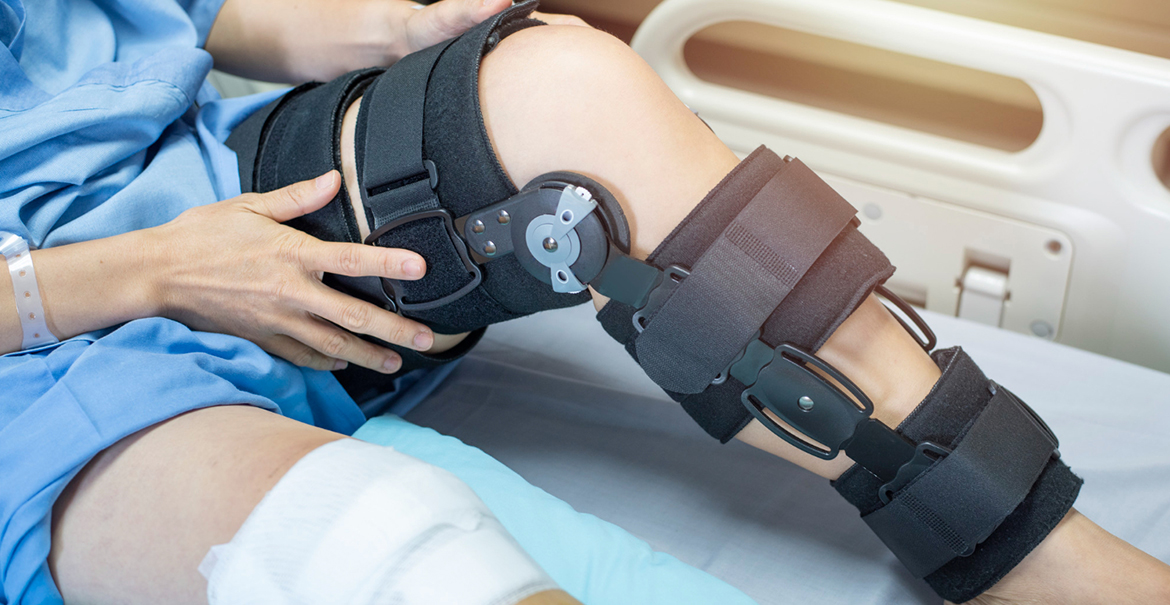
Knee pain is one of the most widespread orthopaedic issues among people of any age group. Be it from years of wear and tear, an old injury, or a degenerative condition, knee pain can make a big difference in your daily schedule, mobility, and even psychological perspective. Medications might offer temporary relief, as may physiotherapy and lifestyle changes. But a time comes when these measures cease to work. And that is when one important question arises: “Do I really need knee replacement surgery?”
Before coming to that conclusion, it is crucial to know the indications, investigate non-surgical alternatives, and get professional assessment. If you are suffering from persistent knee pain, a visit to a qualified knee replacement surgeon in Gandhinagar -such as the specialists at Aashka Hospital, Gandhinagar-can give you clarity and a personalised treatment plan.
This comprehensive guide will help you understand if you really need knee replacement surgery, and what determines the right time for such a procedure.
Understanding Knee Replacement Surgery
Knee replacement, medically referred to as arthroplasty, is a surgical procedure that replaces the worn-out joint surfaces of the knee with artificial components constructed from materials such as metal, ceramic, or high-grade plastic. Its purpose is to:
- Relieve chronic pain
- Restore mobility
- Improve joint function
- Improve the quality of life
The typical candidates for this surgery are those who suffer from advanced osteoarthritis, rheumatoid arthritis, severe injuries, or degenerative wear not responding to conservative treatments.
At Aashka Hospital, our team of expert orthopaedic specialists finds out whether knee replacement is the correct option for your condition with the latest advanced diagnostic tools and modern surgical techniques.
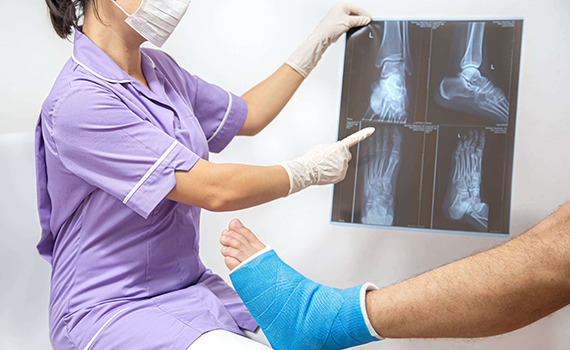

Signs That You May Need Knee Replacement Surgery
1. Persistent Knee Pain That Does Not Improve
The most telling sign that you may need to have knee replacement surgery is relentless, severe pain that does not improve, even with rest or medication.
You may feel pain:
- While walking
- When climbing stairs
- During light activities
- While resting
- Even at night
When the pain in the knees also becomes an obstacle in performing day-to-day movements and results in disturbance in sleep, it is then severe joint damage. Experts of Aashka Hospital rely on a detailed assessment to diagnose the extent of the knee problem.
2. Limited Mobility and Stiffness
Another clear indicator is increased stiffness and reduced range of motion. If you struggle to:
- Bend or straighten your knee completely
- Sit or stand comfortably
- To walk without limping
- Move without grinding or catching sensations
your knee joint is deteriorating. If it is not diagnosed early, it may worsen with time.
A skilful knee replacement surgeon may be needed in Gandhinagar to decide if surgical intervention is required for restoring mobility.
3. Non-Surgical Treatments No Longer Provide Relief
Most patients try several non-surgical treatments before surgery, including:
- Pain relieving drugs
- Anti-inflammatory drugs
- Physiotherapy
- Weight control
- Knee braces
- Lifestyle modification
- Steroid, hyaluronic acid, or PRP injections
If none of these treatments provides lasting relief, the damage to the joint has usually progressed beyond the possibility of repair. Thus, knee replacement may be considered a very effective option.
The doctors of orthopaedics examine all the conservative modes of treatments before recommending surgery at Aashka Hospital.
4. Visible Deformities or Knee Misalignment
Any changes to the shape or alignment of the knee joint are significant red flags. You may notice:
- Bow-legged or knock-knee appearance
- Recurring swelling of the knee
- Unsteadiness when walking
- Feeling like the knee may “give way”
These structural changes suggest that the joint is severely damaged and may require surgical correction.
5. Imaging studies reveal severe joint damage.
Physicians depend on an X-ray, MRI, and CT scan to determine the actual condition of the knee. The reports can reveal the following:
- Bone-on-bone friction
- Advanced cartilage loss
- Narrowing of joint space
- Bone spurs (osteophytes)
- Chronic inflammation
When imaging results indicate advanced degeneration, knee replacement often becomes the best long-term option.
Aashka Hospital has state-of-the-art imaging technology for precise diagnosis and treatment planning.
6. Knee Pain Affects Your Quality of Life
Perhaps the most significant indicator, however, is how much knee pain interferes with your daily life. When you start to avoid activities you used to enjoy-walking, traveling, playing with children, or even mundane things like going up and down stairs-it may be time to think about surgery.
Ask yourself:
- Is knee pain limiting my lifestyle?
- Am I using painkillers every day?
- Do I avoid walking or standing for a long time?
- Is my knee pain affecting my happiness or independence?
If the answer is yes, consultation with a knee replacement surgeon in Gandhinagar would help make the options quite clear.
7. You Are Medically Fit for Surgery
Even if the damage to your knee is severe, doctors check your overall health to make sure you are safe for surgery. You may be a good candidate if:
- Your blood pressure is under control
- Diabetes levels are stable
- You do not have active infections
- You can safely undergo anesthesia
Safety and success of surgeries are paramount concerns at Aashka Hospital, and hence, pre-surgeries are done properly.
Why Choose Aashka Hospital for Knee Replacement in Gandhinagar?
Aashka Hospital is known for its advanced orthopedic care, modern infrastructure, and highly experienced surgeons. It stands out due to the following reasons :
- Your blood pressure is under control
- Diabetes levels are stable
- You do not have active infections
- You can safely undergo anesthesia
✔ Specialist Knee Replacement Surgeons
The facility boasts some of the most renowned and competent orthopedic surgeons who have expertise in both partial and total knee replacement.
✔ Advanced Diagnostic & Surgical Facilities
Everything from digital X-rays to advanced modular operating theatres helps ensure that every step is both accurate and safe.
✔ Patient-Centric Approach
Treatment is tailored to your age, health, lifestyle, and long-term goals. Every patient is given personal care and follow-up support.
✔ NABH-Accredited Hospital
NABH accreditation reflects high-quality standards, safety protocols, and ethical medical practices.
✔ Rehabilitation & Physiotherapy Support
Recovery after surgery plays an important role. Aashka Hospital provides physiotherapy under expert guidance for the early resumption of routine activities.
When Should You Seek Specialised Care?
If you are experiencing two or more of the above-mentioned signs, then it is time to consult a professional. Early diagnosis will prevent further damage and improve long-term prospects.
Consult a knee replacement surgeon at Aashka Hospital, Gandhinagar, about your ailment, to understand whether surgery is necessary or some nonsurgical measures are still effective.
Conclusion
Knee replacement surgery is a serious but life-changing decision. It can restore mobility, reduce pain, and extraordinarily improve the quality of your life. However, it should be considered in those cases when conservative treatments fail and knee damage becomes severe.
You will know it is time to seek surgical help once you recognize the key signs: persistent pain, stiffness, loss of mobility, deformity, or poor imaging reports.
Aashka Hospital is a dependable destination for knee replacement in Gandhinagar with expert doctors, advanced technology, and patient-focused care.
If your knees ache and this is disrupting your daily routine, pay attention—expert advice could get you back to an active life again.